
 The health and wellness landscape is shifting. For years, the “more is better” philosophy dominated our kitchen counters, with rows of amber bottles promising everything from eternal youth to instant energy. But lately, something has changed. People are thinning out their supplement cabinets, and it’s not just to save money.
This guide explores why we are moving away from the “pill for every ill” mentality and how to reclaim your health through the foundations of nutrition and lifestyle.
What You Will Learn From This Blog
-
The Supplement Paradox: Why more pills don’t always lead to better health outcomes
-
The Science of the “Food Matrix”: Why your body processes a bowl of dal differently than a protein pill
-
Hidden Risks & Regulations: The truth about what goes into—and stays out of—supplement bottles
-
The Economic Shift: Comparing the cost of synthetic vitamins vs. nutrient-dense whole foods in Rupees
-
Root Cause Recovery: How to address fatigue and immunity through lifestyle instead of capsules
-
Informed Decision Making: When a supplement is a genuine medical necessity versus a marketing trend
The Morning Ritual That Lost Its Spark
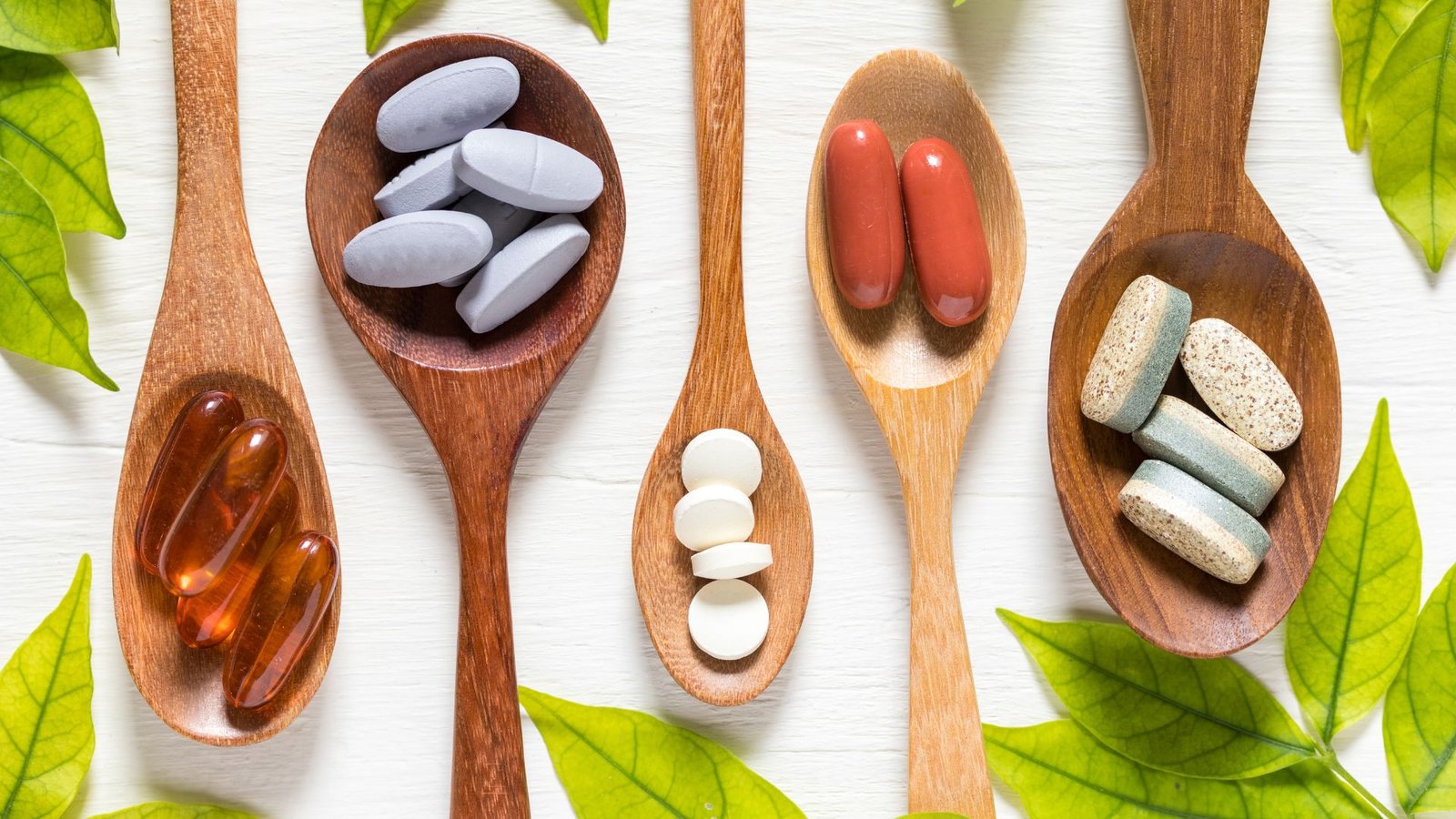
Imagine your morning routine today. Starting with a glass of water, you could take a few capsules, such as a probiotic, an Omega-3 fish oil, a multivitamin, some Vitamin D3, and whatever herbal adaptogen is popular right now on social media.
Many of us in India have reached a point of “pill fatigue.” We are standing over our sinks, swallowing five or six pills before we’ve even had our first cup of chai, and asking ourselves: Is this actually doing anything?
The honeymoon phase with the global supplement industry is cooling off. Consumers are becoming more discerning, moving away from “just-in-case” supplementation toward a more evidence-based, root-cause approach to their well-being. We are starting to realize that health cannot be outsourced to a laboratory; it must be cultivated in the kitchen and through our daily habits.
Summary: The era of blind supplementation is ending. People are questioning the effectiveness of their daily pill routines and looking for more authentic ways to feel healthy.
The Science of the “Food Matrix”
One of the primary reasons people are quitting supplements is a growing understanding of bioavailability. In simple terms, this is how well your body can actually absorb and use a nutrient.
When you eat a whole food, like an orange or a bowl of spinach, you aren’t just getting Vitamin C or Iron. You are getting a complex “food matrix” of fiber, enzymes, water, and hundreds of phytonutrients that work together.
Synergy vs. Isolation
Nature doesn’t provide nutrients in isolation. For example, the fat-soluble vitamins (A, D, E, and K) require dietary fat to be absorbed. If you take a Vitamin D pill on an empty stomach with just water, much of it may simply pass through your system without being utilized.
Whole foods come pre-packaged with these helper compounds. A piece of walnuts provides healthy fats along with the Vitamin E that supports its function. A supplement is an extract—a solo performer trying to do the job of a full orchestra. Scientists are finding that the body often doesn’t recognize these isolated synthetic compounds as efficiently as it does the nutrients found in a balanced meal.
Comparison: Whole Foods vs. Supplements
| Feature | Whole Foods (e.g., Seasonal Fruits/Veg) | Synthetic Supplements |
|---|---|---|
| Nutrient Synergy | High (compounds work together) | Low (isolated chemicals) |
| Fiber Content | High (essential for gut health) | Usually zero |
| Bioavailability | High; regulated by natural digestion | Variable; often poor absorption |
| Risk of Toxicity | Extremely low | Possible with high doses |
| Cost Efficiency | High (nutrients + calories + satiety) | Low (expensive for single nutrients) |
Summary: Whole foods provide a food matrix that ensures nutrients are absorbed correctly. Supplements often lack the necessary partners to be effective in the body.
The Hidden Risks of “Too Much of a Good Thing”
In our quest for wellness, we often fall into the trap of thinking that if a little bit of a vitamin is good, a lot must be better. We now know that the Upper Limit (UL) is a very real biological boundary.
Recent studies have shown that excessive supplementation can sometimes do more harm than good. For instance, too much supplemental calcium has been linked in some research to an increased risk of kidney stones and even potential heart health concerns, as the body may struggle to process large, sudden doses of minerals that aren’t integrated into food.
The Problem with High Doses
When you eat a large salad, your body manages the nutrient intake through the slow process of digestion. When you swallow a high-dose supplement, you are effectively flooding your bloodstream. This can stress the kidneys and liver, which must work overtime to filter out the excess.
Furthermore, the regulatory environment for supplements is often less stringent than for medicines. Many products hit the shelves without the rigorous testing we expect. This has led to a trust gap, as consumers worry about heavy metal contamination or label claim inaccuracies.
Summary: High doses of isolated vitamins can stress the liver and kidneys. Lack of strict regulation also means consumers are often unsure of the quality of what they are buying.
Shifting the Focus to Root Causes
A supplement is, by definition, meant to supplement a foundation. However, in our fast-paced lives, many of us have used them as quick fixes for lifestyle-induced problems.
If you are taking a magnesium supplement to help you sleep because you are drinking three cups of strong coffee at 5:00 PM and staring at a smartphone screen until midnight, the pill is merely a bandage. People are realizing that no amount of Vitamin C can replace a lack of sleep, and no probiotic can fix a diet high in ultra-processed, sugary snacks.
The Sustainability Factor
Quitting supplements is often the first step toward a more sustainable health practice. Instead of spending thousands of Rupees a month on fat burners or brain boosters, people are reallocating that budget toward:
-
High-quality produce such as organic or local vegetables
-
Better sleep environments like blackout curtains or supportive pillows
-
Stress management through yoga or time in nature
These lifestyle changes address the root causes of fatigue, brain fog, and poor immunity rather than masking symptoms.
Summary: Supplements cannot replace the foundational pillars of health like sleep and diet. Addressing root causes is more effective and sustainable than relying on quick fixes.
The Economic Reality: Wellness in Rupees
Let’s look at the financial side of the un-pilling trend. In 2026, the cost of living has made everyone more intentional with their spending. Managing a complex supplement regimen is not just mentally exhausting; it is expensive.
-
The Supplement Stack: A premium multivitamin (₹1,500), Omega-3 (₹1,200), and probiotic (₹2,000) can total ₹4,700 per month
-
The Food Foundation: That same ₹4,700 could significantly upgrade your grocery list with fresh fruits, nuts, seeds, and cold-pressed oils
When you spend money on food, you gain calories, flavor, and satiety—not just isolated nutrients.
Summary: The high cost of supplements is pushing many people to reinvest in whole foods that offer greater overall value.
When Should You Keep the Bottle?
It would be irresponsible to say everyone should quit all supplements. There is a time and place for targeted, evidence-based supplementation.
Specific Scenarios for Supplementation
-
Diagnosed deficiencies confirmed through blood tests
-
Certain life stages such as pregnancy or aging
-
Restrictive diets, particularly strict vegan diets
-
Medical conditions involving malabsorption
The goal is not to be anti-supplement, but pro-evidence. If you don’t know why you’re taking a pill, it may be time to consult a healthcare provider.
Summary: Supplements are useful for treating specific, proven deficiencies. The shift is from guessing to testing.
How to Transition to a Food-First Lifestyle
1. The Supplement Audit
Lay out every bottle you own and ask:
-
Who told me to take this?
-
What is the specific goal?
-
Do I actually feel better?
If the answer is unclear, reconsider its use.
2. Prioritize the Big Three Lifestyle Pillars
-
Sleep: Aim for 7–8 hours of quality rest
-
Movement: A daily 30-minute walk
-
Hydration: Drink enough water consistently
3. Diversify Your Plate
Instead of a multivitamin, aim for 30 different plant foods per week, including dals, vegetables, nuts, seeds, and spices.
Summary: Transitioning involves auditing supplements, prioritizing sleep and movement, and increasing dietary diversity.

A Reflective Takeaway
The trend of quitting supplements isn’t about rejecting science. It’s about returning to a more nuanced understanding of it. The human body evolved to extract what it needs from food, sunlight, movement, and community.
Health isn’t something you buy and store in a cabinet. It’s a daily practice shaped by meals, rest, and habits. Be informed, be intentional, and remember that the most powerful tools for your health are likely already in your kitchen and within your daily choices.