
What You Will Learn From This Guide
• The Modern Indian Epidemic: Why lifestyle diseases are rising in India.
• The Big Four: Understanding Diabetes, Hypertension, PCOS, and Heart Disease.
• The Root Cause: Why it’s not just about “bad luck” or genetics.
• The Nutrition Gap: How the modern Indian plate has changed.
• Practical Prevention: Simple, sustainable shifts for daily life.
• The Concept of Reversal: What “remission” really means for chronic conditions.
• Long-term Sustainability: Building a health foundation that lasts.
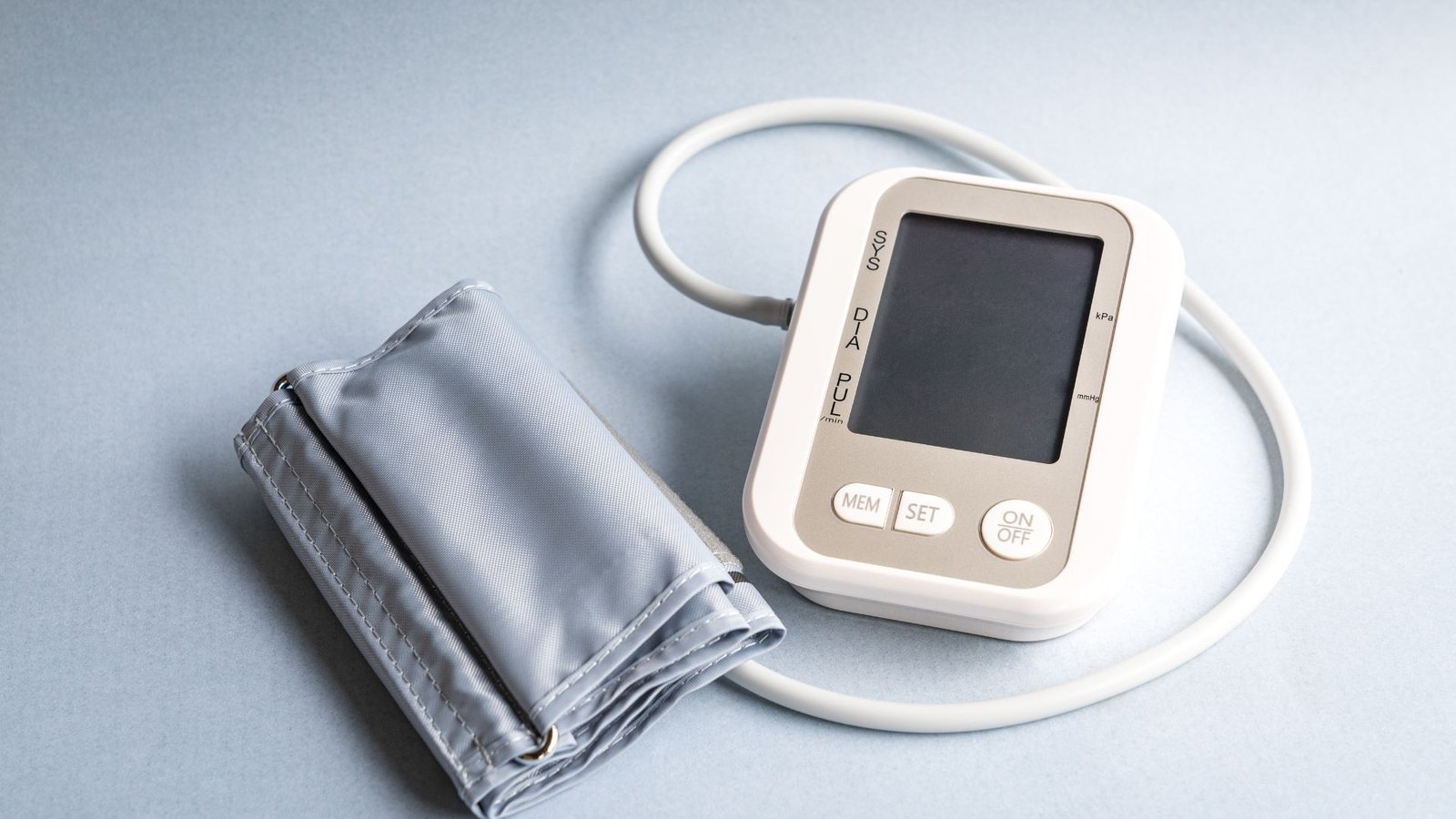
The Story of the “Healthy” Professional
Meet Ankit. He is 42, works in a high-pressure tech job in Bengaluru, and considers himself “fairly healthy.” He goes for a 20-minute walk most mornings and avoids putting extra sugar in his tea.
Yet, during a routine check-up, Rajesh was shocked to find his HbA1c (average blood sugar) in the pre-diabetic range and his blood pressure creeping upward. “How is this possible?” he asked. “I don’t even eat sweets!”
Ankit’s story is the story of millions of Indians. There is a common misconception that lifestyle diseases only happen to those who are “unhealthy” in an obvious way. In reality, these conditions are often the result of “silent” habits—long hours of sitting, high-stress environments, and a diet that is heavy on processed carbohydrates, even if they aren’t “sweet.”
In India, we are seeing a massive shift. We have moved from a country fighting infectious diseases to one grappling with metabolic ones. This article explores why this is happening and, more importantly, how you can take the driver’s seat in your health journey.
Understanding the “Big Four” in the Indian Context
When we talk about lifestyle diseases—or Non-Communicable Diseases (NCDs)—we are generally referring to a cluster of conditions that stem from how we interact with our environment.
1. Type 2 Diabetes
India is often called the “Diabetes Capital of the World.” This isn’t just because we love sweets; it’s because our bodies often struggle with insulin resistance.
2. Hypertension (High Blood Pressure)
Often called the “Silent Killer,” it puts immense pressure on our heart and kidneys.
3. Dyslipidemia
High levels of “bad” cholesterol and triglycerides, often coupled with low “good” cholesterol (HDL).
4. PCOS & Hormonal Imbalance
Impacting a sizable portion of young Indian women, primarily due to stress and insulin.
Summary: Lifestyle diseases are chronic conditions that develop over years due to a mismatch between our biology and our modern environment. They are rarely sudden and are mostly preventable.
Why India? The Science Simplified
You might wonder why Indians seem more prone to these issues than people in other parts of the world. Science points to a few unique factors.
The “Thrifty Gene” Hypothesis
For generations, our ancestors faced periods of food scarcity and famine. Their bodies evolved to be incredibly efficient at storing fat to survive. Today, we have the same “storage-efficient” genes, but we live in a world of food abundance. Our bodies are still trying to save for a “famine” that never comes, leading to excess fat storage, especially around the belly (visceral fat).
The “Thin-Fat” Indian Phenotype
Many Indians have a “normal” BMI (Body Mass Index) but still have high body fat percentages. You might look thin, but if you carry weight around your midsection, you may have the same metabolic risks as someone who is clinically obese.
Comparison: Traditional vs. Modern Lifestyle
Summary: Our genetics haven’t changed, but our environment has. The combination of “storage-heavy” genes and a sedentary, high-calorie world creates a perfect storm for metabolic disease.

Comparison: Traditional vs. Modern Lifestyle
| FEATURE | Traditional Indian Life (40+ years ago) | Modern Urban Indian Life |
|---|---|---|
| ACTIVITY | Manual labour, walking, household chores. | Desk jobs, cars/bikes, elevators |
| DIET | Whole grains, seasonal vegetables, home-cooked | Refined flour (maida), seed oils, packages snacks |
| STRESS | Physical stress, social community support | Mental/Psychological stress, Digital Isolation |
| SLEEP | Aligned with sunset/sunrise | Blue light exposure, late night scrolling |
The Root Causes: Beyond the Surface
To fix a problem, we must look at the roots, not just trim the branches. Taking a pill for blood pressure manages the symptom, but it doesn’t always address why the pressure rose in the first place.
1. Chronic Inflammation
Think of inflammation as a tiny fire burning inside your body. It’s caused by a diet high in ultra-processed foods (biscuits, namkeen, soda), chronic stress, and lack of movement. Over time, this “fire” damages your arteries and cells.
2. Insulin Resistance
Every time you eat refined carbs (white rice, white bread, sugary snacks), your body releases insulin to manage the sugar. If you eat these constantly, your cells stop “listening” to insulin. This is the foundation of Type 2 Diabetes and PCOS.
3. The “Sitting” Disease
Our bodies were designed to move. When we sit for 8–10 hours a day, our metabolism slows down, and our body’s ability to clear fat and sugar from the bloodstream decreases significantly.
Summary: The root causes are biological responses to modern habits: inflammation, insulin resistance, and physical inactivity.
Practical Insights for Prevention & Reversal
The word “reversal” is often used in wellness circles. It is important to be precise: for many, conditions like Type 2 Diabetes or Hypertension can be put into remission. This means your markers return to normal levels without the need for heavy medication, provided you maintain a healthy lifestyle.
1. Fix Your Plate (The 50% Rule)
Consider the makeup of your meal rather than calculating calories.
• Half your plate: Colorful, non-starchy vegetables (such as spinach, beans, gourd, and cabbage) should make about half of your dish.
• One-quarter: Quality protein (Dal, sprouts, eggs, paneer, lean meat).
• One-quarter: Complex carbohydrates (Brown rice, millets, whole wheat).
2. The Power of NEAT
You don’t need to spend two hours in the gym to be healthy. Focus on NEAT (Non-Exercise Activity Thermogenesis). This includes:
• Taking the stairs instead of the lift.
• Pacing while talking on the phone.
• Standing up every 30 minutes to stretch.
• Small movements add up more than one intense workout followed by 10 hours of sitting.
3. Prioritize Sleep Hygiene
Sleep is when your body repairs itself. Lack of sleep increases “ghrelin” (the hunger hormone) and decreases “leptin” (the fullness hormone). If you are sleep-deprived, you are biologically wired to crave sugar the next day.
4. Stress Management
Chronic stress releases cortisol, which tells your body to store fat around your belly. Practices like deep breathing (Pranayama) or simply spending 10 minutes away from screens can significantly lower your stress response.
Section Summary: Prevention isn’t about “perfection.” It’s about eating more whole foods, moving more throughout the day, and giving your body the rest it needs to repair.
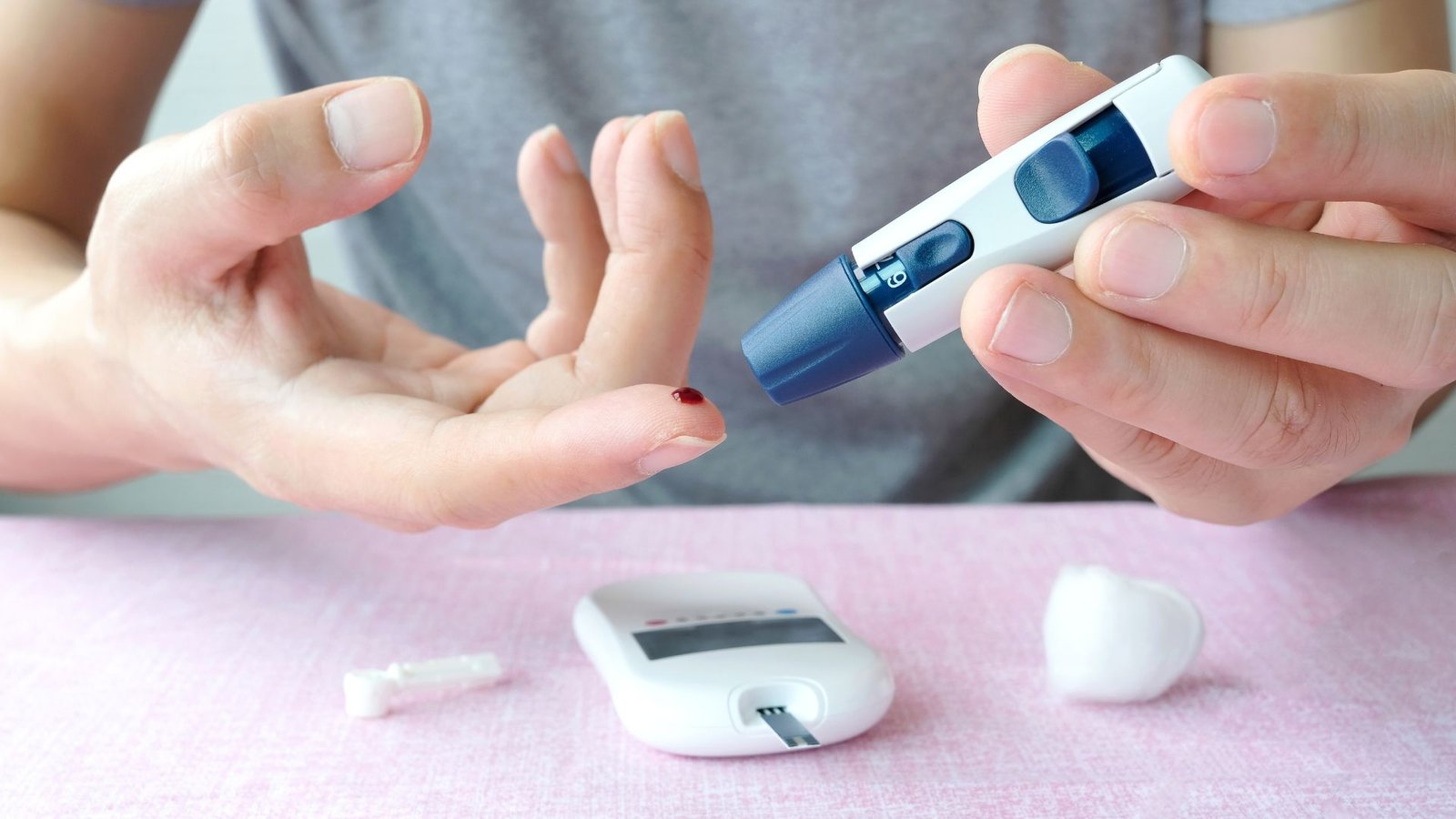
Can These Conditions Truly Be Reversed?
The science of Metabolic Health suggests that our bodies are remarkably resilient.
Losing even 5–10% of body weight, with a focus on visceral fat, can frequently “reboot” the pancreas in a person with early-stage Type 2 Diabetes. This allows the body to manage blood sugar naturally again.
For Hypertension, reducing processed salt intake (found in pickles, papads, and breads) and increasing potassium-rich foods (bananas, coconut water, leafy greens) can significantly lower blood pressure readings.
However, “reversal” is not a destination; it is a state of being. If one returns to the old habits that caused the disease, the disease will likely return. This is why sustainability is more important than intensity.
Summary: Many lifestyle diseases are “biologically reversible” through consistent lifestyle changes, though the focus should always be on long-term management rather than a “quick fix” cure.
Building a Sustainable Future
The biggest mistake people make is trying to change everything on a Monday morning. They start a crash diet, join a gym, and quit sugar all at once. By Thursday, they are exhausted and give up.
The “Add, Don’t Subtract” Mindset
Instead of saying “I will never eat pizza again,” try saying “I will add a large bowl of salad before I eat my pizza.” Adding fiber reduces the glucose spike and fills you up, naturally leading you to eat less of the processed food.
Consistency Over Intensity
Walking for 20 minutes every single day is far more effective for your heart than running for two hours once a week. Your body thrives on rhythm and routine.
Seek Professional Guidance
While lifestyle changes are powerful, they should complement medical advice. Never stop medication without consulting your doctor. A qualified nutritionist or lifestyle coach can help you tailor these general principles to your specific needs, food preferences, and culture.
A Calm Reflection
Health is not a number on a scale or a perfect blood report. It is the ability to live your life with energy, to be present for your family, and to feel comfortable in your own body.
India is facing a health challenge, but we also have the tools to overcome it. We have a rich heritage of whole-food nutrition and mindful living, combined with modern scientific understanding. By making small, informed choices today—choosing a whole fruit over a juice, a walk over a screen, or an extra hour of sleep over a late-night show—you are rewriting your health story.
Take a deep breath. You don’t have to fix everything today. Just start with the next meal, the next hour, and the next choice.
Final Takeaway: Your health is a long-term investment, not a short-term project. Awareness is the first step toward transformation.